Topic: Podcast Hosting

5 chapters across the catalog

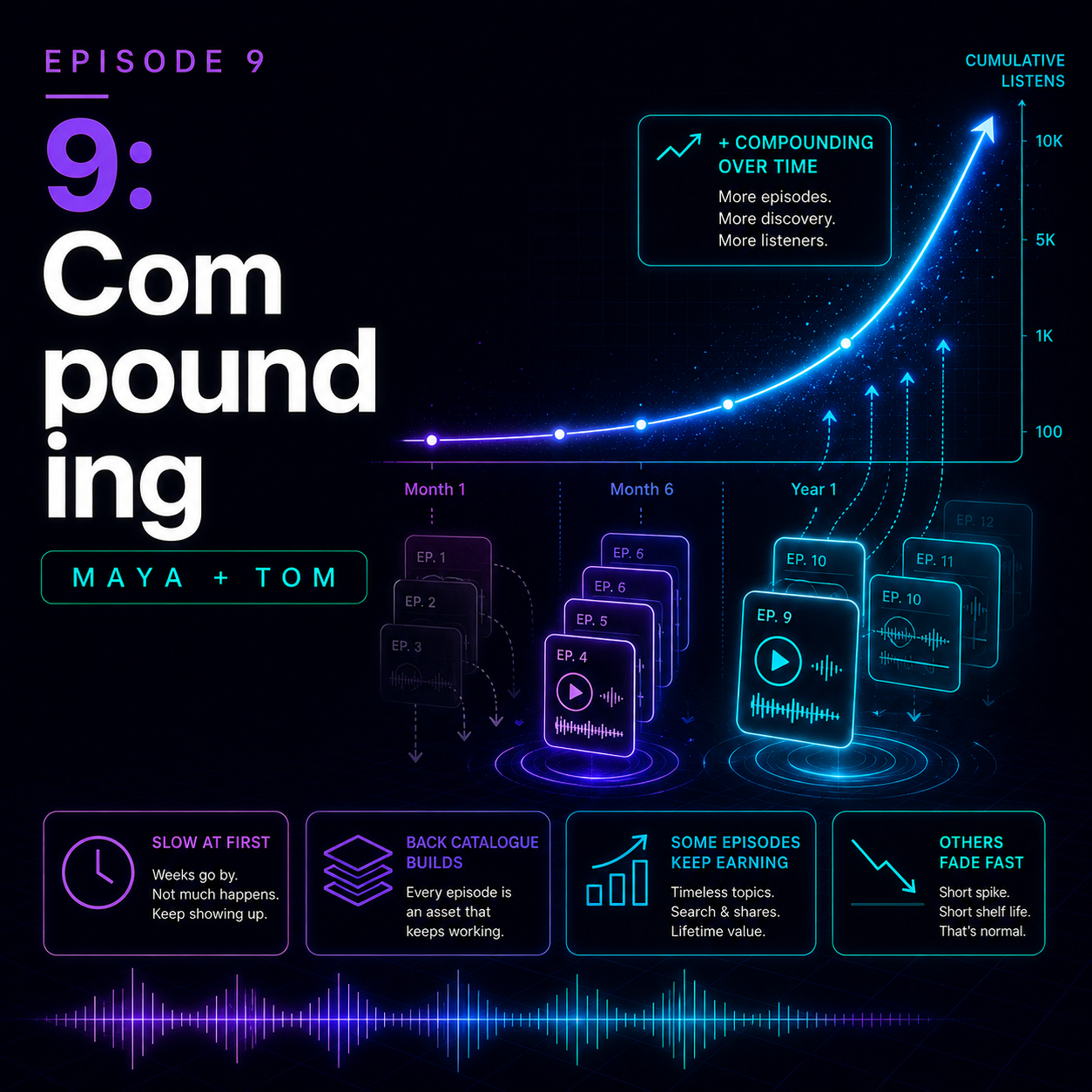
Compounding
Episode 9 8:54 - 10:28

9: Compounding

Acknowledging Dormant Podcast Value and Past Inaction

One host reflects on over 350 episodes created in 10 years, acknowledging a potentially large amount of dormant value due to a lack of discoverability focus. This realization caused initial anger towards oneself and hosting platforms, eventually leading to the acceptance that new tools now exist to leverage this untapped content. The key takeaway is to move past anger and begin utilizing available resources.
Under the Hood
Episode 8 3:28 - 5:50

8: Under the Hood

Structured Data and Schema.org for Podcasts

Structured data, following standards like Schema.org, allows webpages to communicate their specific content type to search engines. For podcasts, this means marking up a page to explicitly state it's a podcast episode, including its title, description, duration, and transcript. This structured approach helps search engines understand the content without guessing, leading to better legibility for both machines and AI systems, rather than just higher ranking. Most show notes pages lack this due to hosting platform priorities.

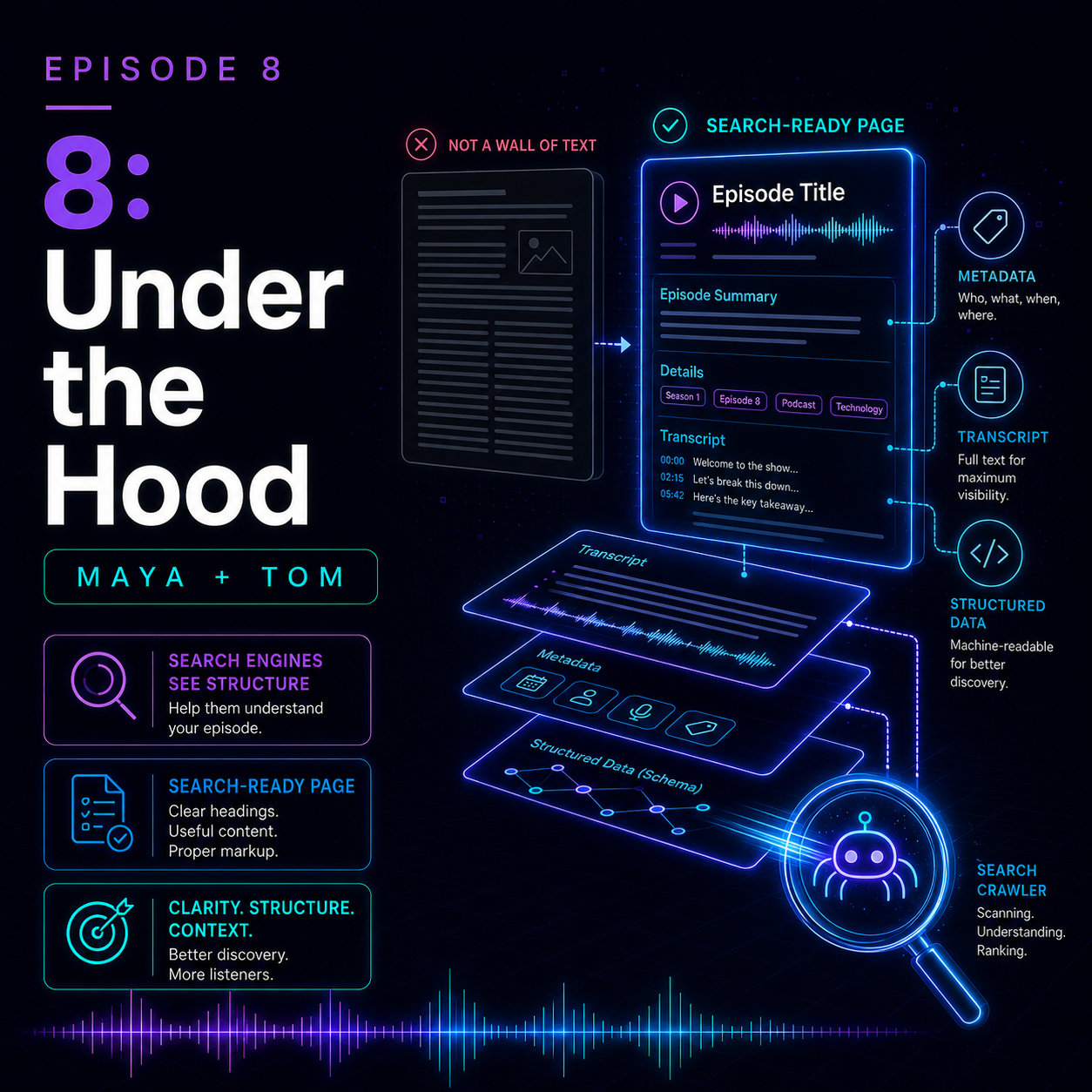
Under the Hood
Episode 8 10:34 - 13:04

8: Under the Hood

Domain Authority and Podcast Transcript Hosting

The domain where a podcast transcript is hosted significantly impacts its search performance. Domains with a long history, reputable links, and strong engagement signals accumulate "authority" over time. New pages on high-authority domains rank faster and higher. When transcripts are hosted on a podcast platform's default subdomain, the show benefits less from this authority, as it's spread across all podcasts on that platform. Hosting on a custom domain builds authority for the podcaster's own property.

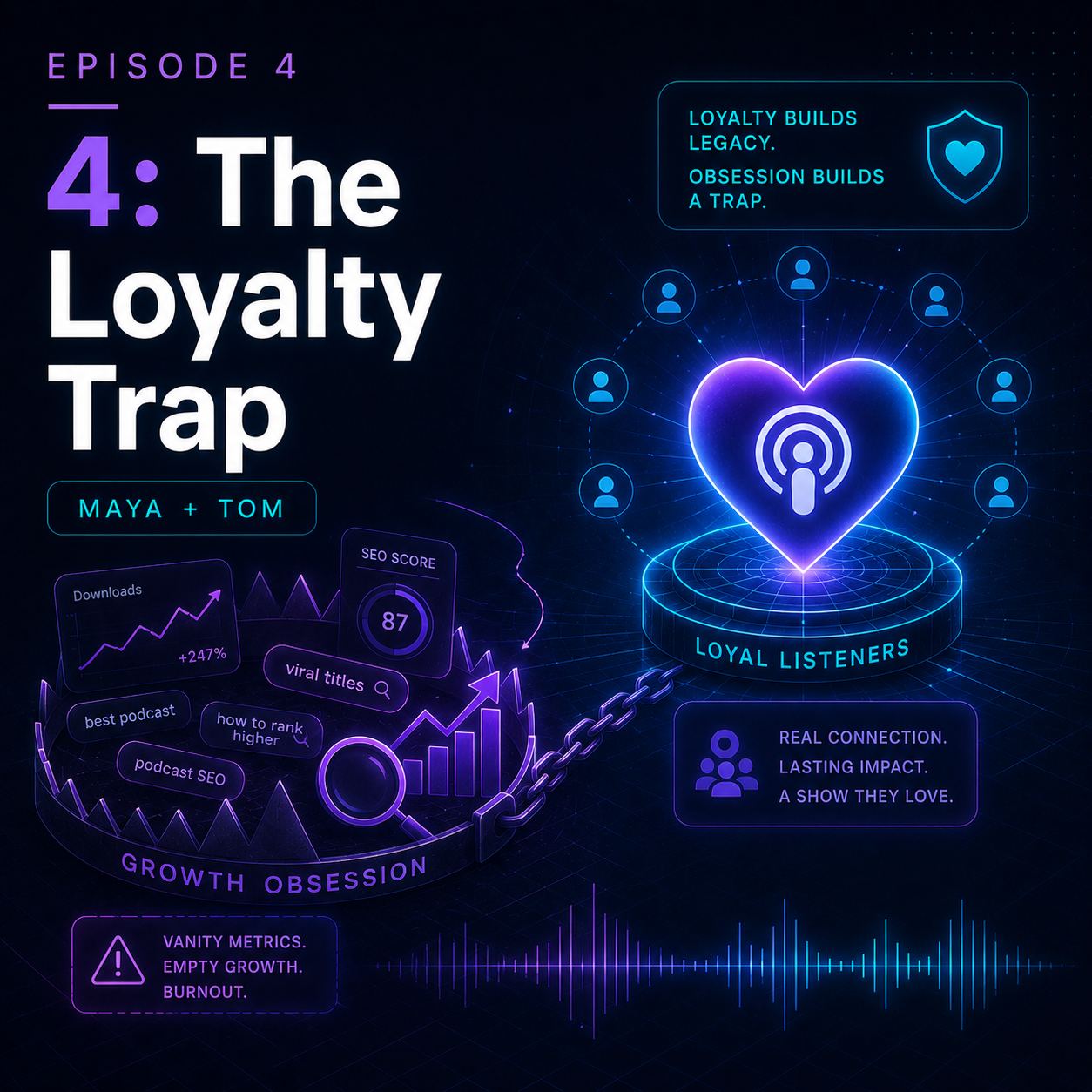
The Loyalty Trap
Episode 4 11:09 - 13:29

4: The Loyalty Trap

Listener-Driven Clip Generation vs. Host-Cut Clips

The concept of "clip generation" is clarified, distinguishing between host-cut clips for marketing and listener-driven clips. Listener-driven clips allow the audience to highlight and share specific passages from a transcript as video clips, complete with audio and attribution. This method is seen as superior because listeners have better instincts about what is shareable and it doesn't incentivize hosts to perform for clips.

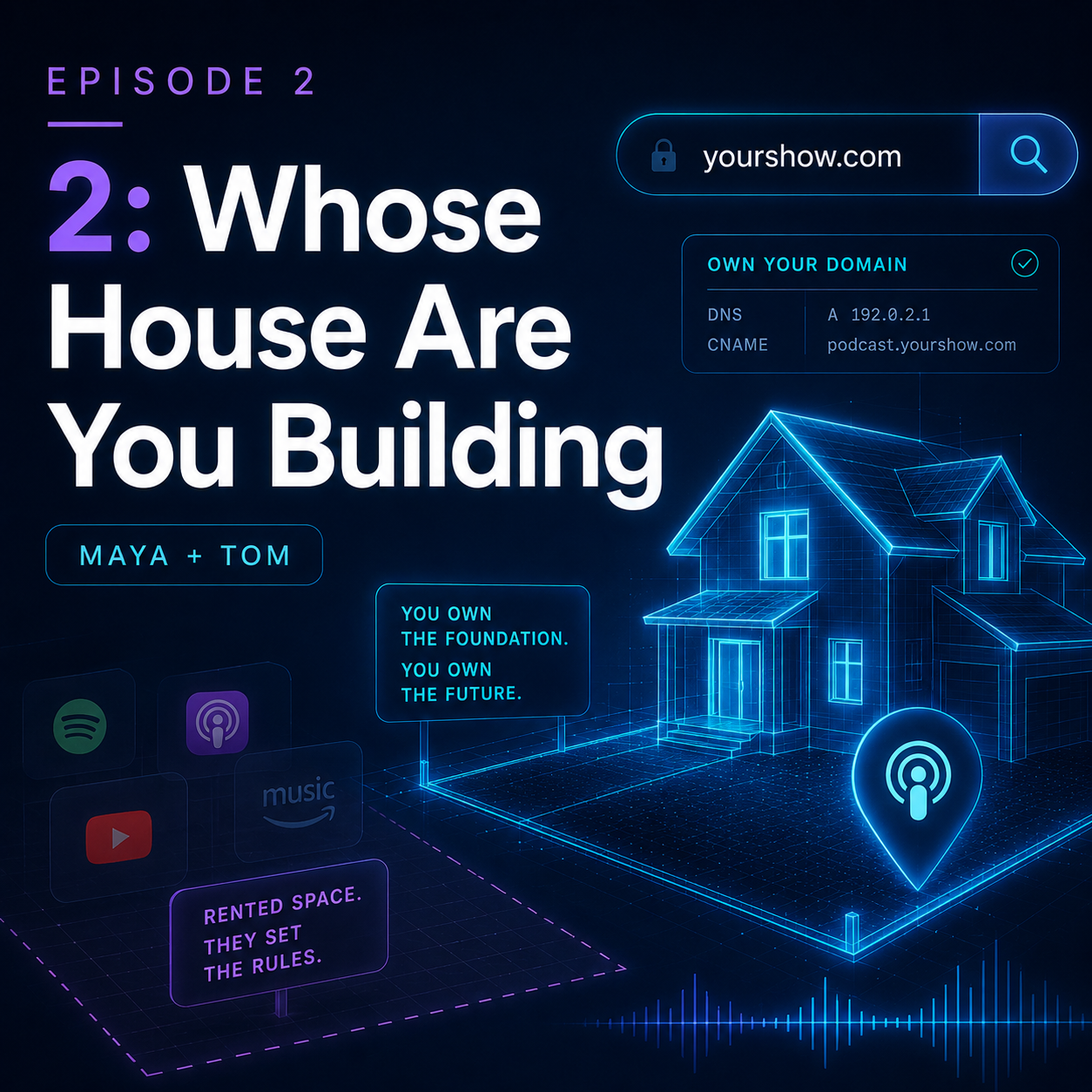
Whose House Are You Building
Episode 2 0:51 - 5:34

2: Whose House Are You Building

Podcaster A vs. Podcaster B: Owning Your Podcast's Home

A comparison is drawn between two podcasters: Podcaster A, who hosts their show notes and transcripts on their own domain, and Podcaster B, who relies on platforms like Spotify, Apple, or their podcast host's subdomain. The discussion highlights that Podcaster A, by owning their domain, maintains control and stability, making them less vulnerable to platform changes or failures compared to Podcaster B.