
Topic: Data

5 chapters across the catalog

Compounding
Episode 9 0:00 - 2:21

9: Compounding

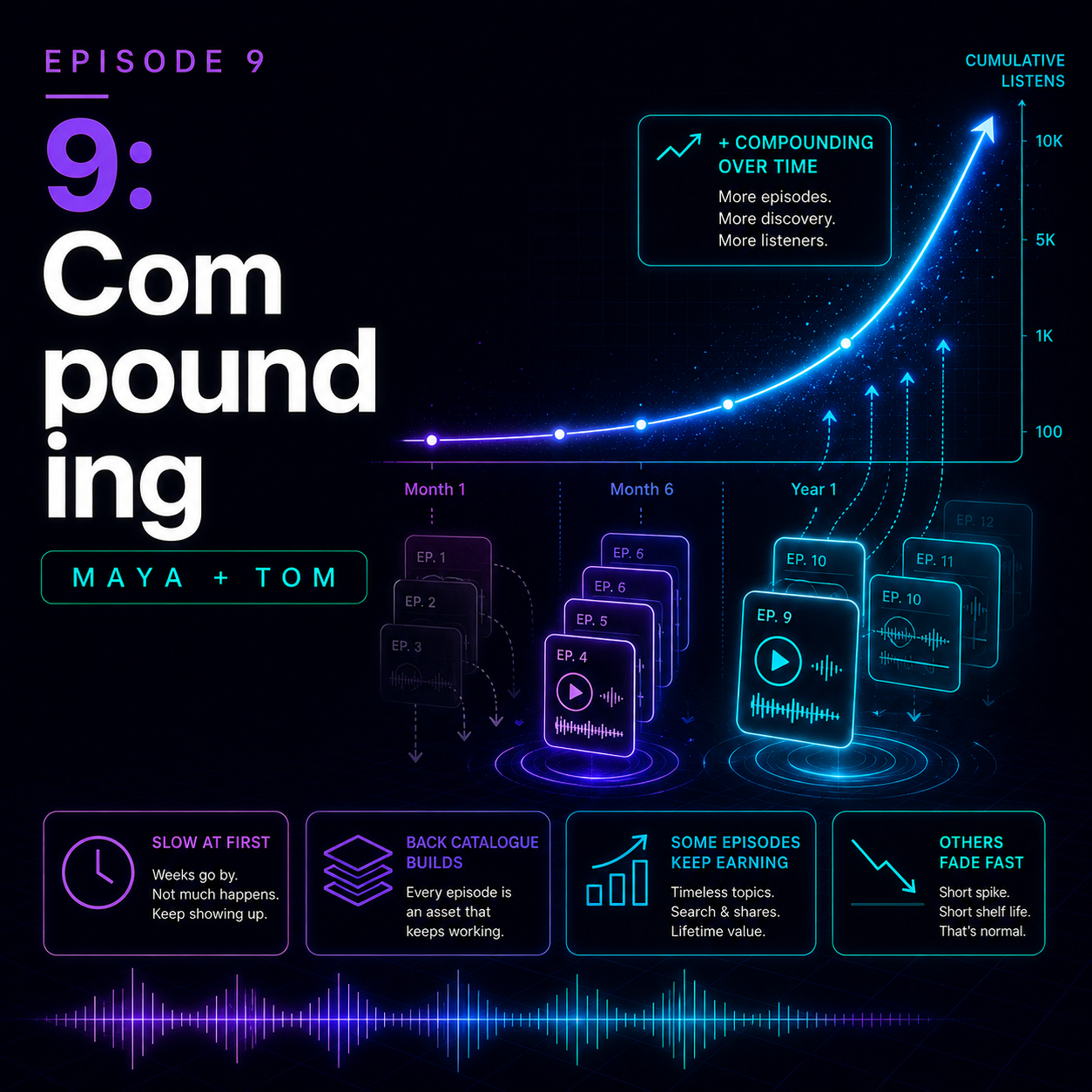
Podcast Discoverability Experiment: Initial Disappointment

The hosts of "How to Get Discovered" discuss the initial three weeks of a podcast discoverability experiment. Despite transcripts being indexed and Google beginning to crawl pages, the data shows only tiny, single-digit results, leading to slight disappointment for one host who expected a more dramatic, immediate impact. Access to Google Search Console, a higher-tier feature, is currently unavailable.
Compounding
Episode 9 15:51 - 16:43

9: Compounding

Search Console Integration: Upgrading for Data Visibility

One host expresses a quiet intention to upgrade their Podherd tier, specifically to gain access to Google Search Console integration. This decision stems from the current inability to see detailed data for their three-week-old podcast discoverability experiment, highlighting the desire for deeper insights into how their content is performing in search results.

Under the Hood
Episode 8 3:28 - 5:50

8: Under the Hood

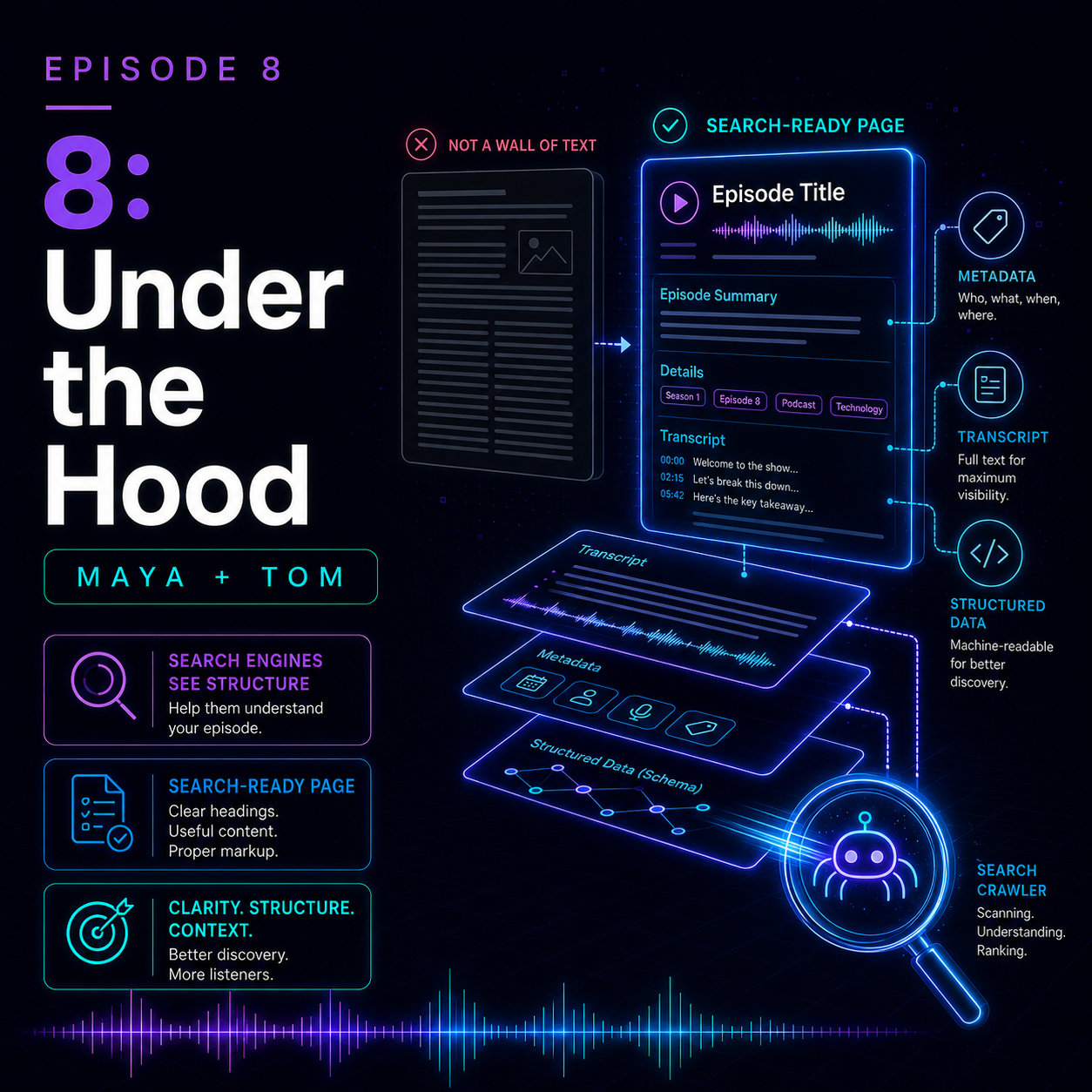
Structured Data and Schema.org for Podcasts

Structured data, following standards like Schema.org, allows webpages to communicate their specific content type to search engines. For podcasts, this means marking up a page to explicitly state it's a podcast episode, including its title, description, duration, and transcript. This structured approach helps search engines understand the content without guessing, leading to better legibility for both machines and AI systems, rather than just higher ranking. Most show notes pages lack this due to hosting platform priorities.

Whose House Are You Building
Episode 2 13:37 - 15:18

2: Whose House Are You Building

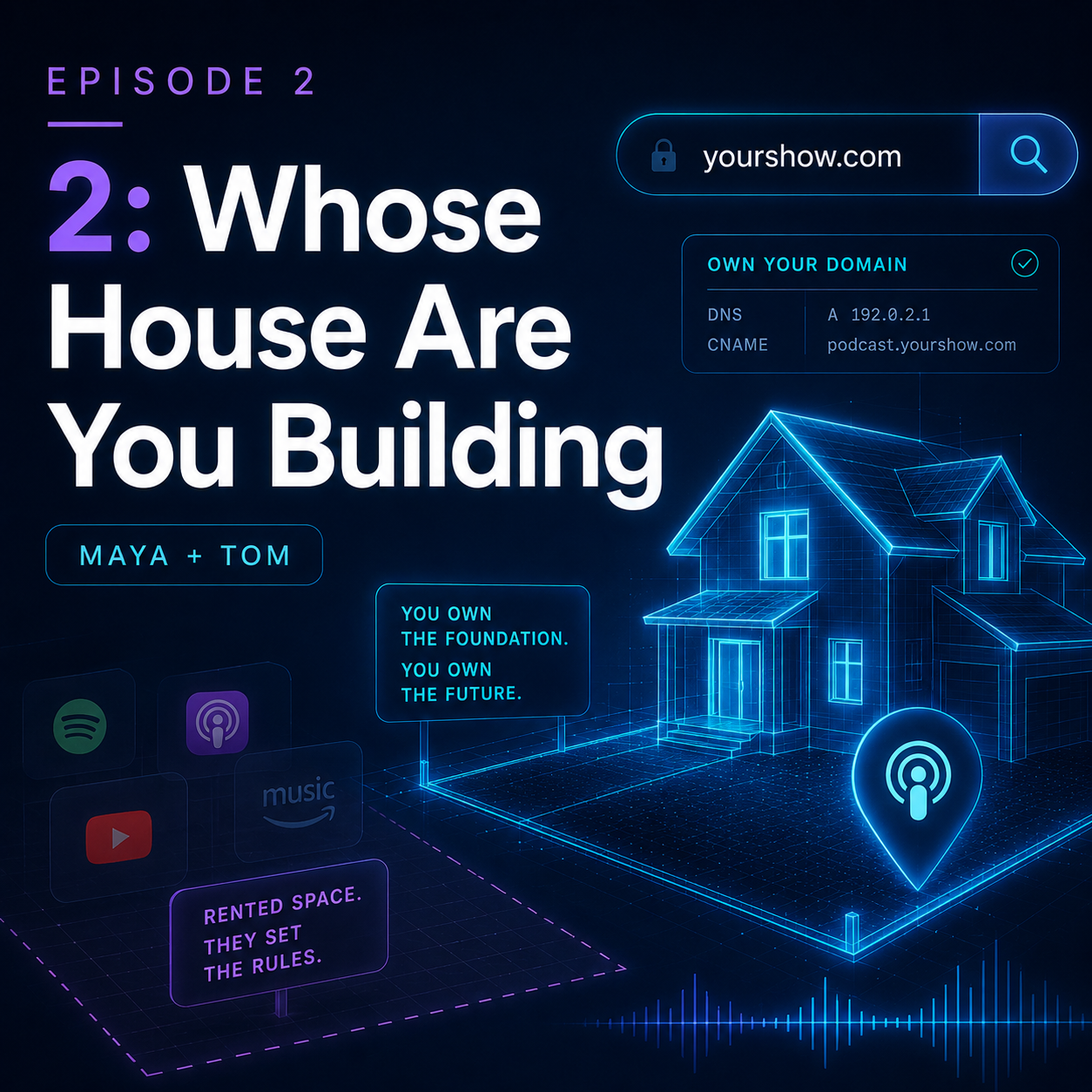
Improving Podcast Show Notes for Engagement

The discussion highlights the common inadequacy of podcast show notes and advocates for more comprehensive descriptions. Good show notes should include a premise, key discussion points, guest introductions, quotes, and relevant links. Treating show notes as standalone content that someone might read instead of listening can significantly improve listener engagement and discoverability.